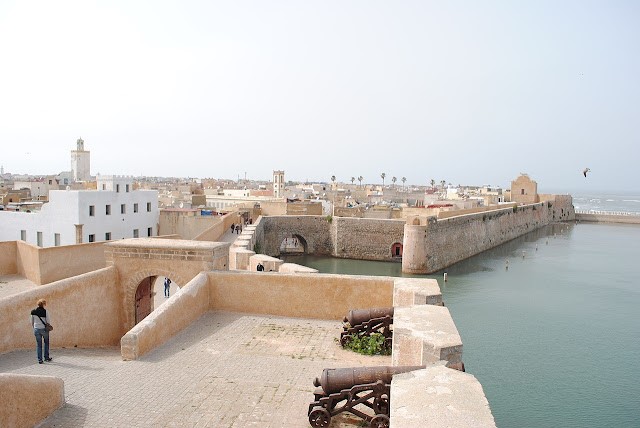
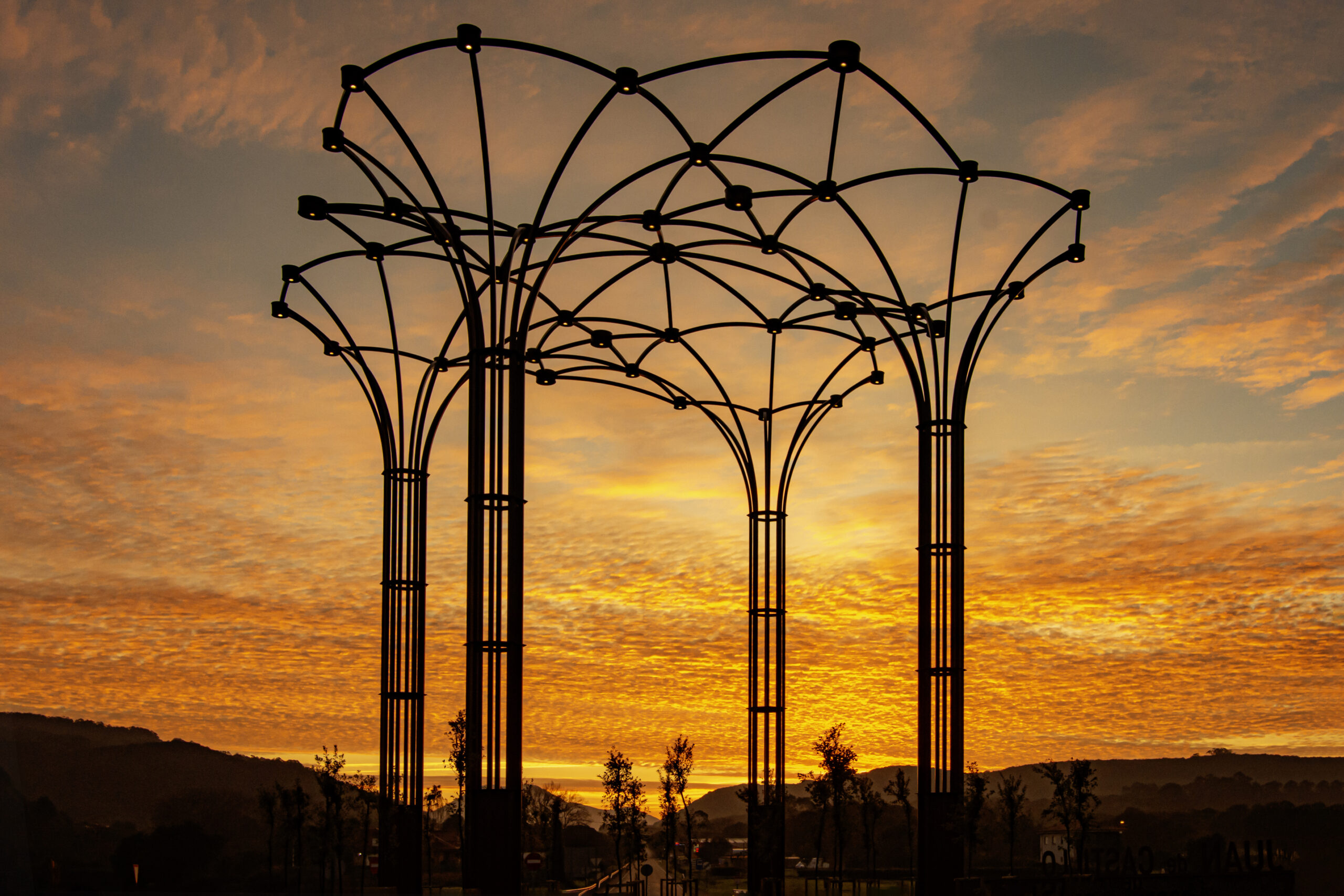
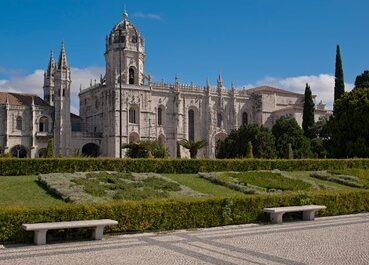
Juan de Castillo, an architect born in this region, developed much of his architectural career in Portugal. He has five works recognised as UNESCO World Heritage and one of them, the Jerónimos Monastery in Lisbon, will be witness to the official start of La Vuelta 24.
On this occasion it has been possible to connect his figure with one of Spain’s most important sporting events, the 2024 Vuelta Ciclista, which precisely moves its first stage to Lisbon, the Luso capital that hosts one of its most important monuments, the Jerónimos Monastery, and links back to his home region, Castillo Siete Villas, as Stage 17, on 4 September, from the Monument to Juan de Castillo will be officially inaugurated on that occasion.
711 kilometres in a straight line separate the Jerónimos Monastery in Lisbon from the Monument Juan de Castillo in his home region, Castillo Siete Villas (Arnuero).
For such a relevant event, the Town Hall has commissioned limited units of cycling T-shirts and jerseys, which commemorate what will be, for us, a memorable day, and which, to share with the general public, will be put on sale until 31 August at the following
LINK
The event’s official T-shirt will go on sale at the price of €14 and the official jersey at the price of €40 with these nice designs.
The items purchased must be collected in person at the Town Hall offices in Arnuero, from 2 SEPTEMBER, Monday to Friday, 9am to 2pm. Under no circumstances will home delivery be carried out.


Little has been known in Spain about the figure of the universal architect Juan de Castillo, from the town of Castillo Siete Villas in this region of Trasmiera, because when he was very young he emigrated to the Kingdom of Portugal to practise his trade. He begins his work improving the Cathedral of Burgos and later moves to Seville to direct the construction of the Cathedral of Seville. It is in this city that he is called in 1507 by the Archbishop of Braga, Mr Diogo De Sousa, to take part in directing the construction of the Main Chapel of the Braga Cathedral. After numerous commissions for other churches and cathedrals, he was hired by King Mr Manuel I to continue the works of the Convent of Christ in Tomar, who shortly afterwards appointed him architect to the Court.
In 1515 he travels to Tomar, where he directs the works of the Convent of Christ; there he creates the famous manueline-style gate of the church of the convent, and he will direct the works of the building intermittently until his death in 1553.
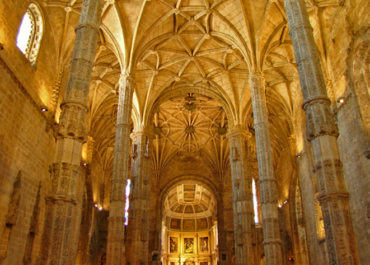
Soon, in 1516, he will succeed Diogo Boitaca as director of the Jerónimos Monastery of Belém, considered by many as his great masterpiece. The monastery’s highlights include the south portico, the crossing vault, the columns that support the church’s extraordinary ceiling, the transept, also creating the cloister and the sacristy of Byzantine influence.
In 1519 he carries out works at the Monastery of Alcobaça.
In 1528 he is appointed by the King as master of works of the Monastery of Batalha, where he leaves his mark on the famous imperfect chapels. In the field of military architecture, in 1541 he directs the fortification of Mazagão (El Jadida, Morocco).
His extraordinary capacity allowed him to direct many of his works simultaneously, so he alternated periods of direction at the Jerónimos with the construction of the sacristy and the second floor of the cloister of the Royal Abbey of Santa Maria of Alcobaça. In the final stage of his life he would return to Tomar to carry out commissions from King John III of Portugal, working on works with markedly Renaissance decoration. There he would die in 1553, directing the works of the Convent of Christ until the very last day of his life.
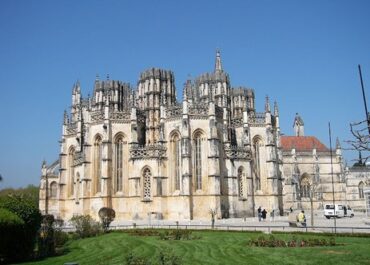
It is for this reason that Juan de Castillo develops almost all of his architectural works in Portugal, where they began to call him João de Castilho, which in the future would cause his Spanish origins to go unnoticed by historians, and which made him much more popular and recognised among the neighbouring country.
Only the above circumstance can explain why he did not receive due recognition in Spanish historiography, since today he is the only architect in the world who has five works that have been declared UNESCO World Heritage.
These five World Heritage Monuments are:
- The Convent of Christ in Tomar.
- The Jerónimos Monastery of Belém in Lisbon.
- The Fortress of Mazagón in El Jadida, Morocco.
- The Monastery of Batalha.
- The Royal Abbey of Santa Maria of Alcobaça.